
PhD Candidate · Drexel University

Designing technology around the lived realities of epilepsy.

Human-centered computing · Philadelphia, Pennsylvania

I study how people living with epilepsy and their caregivers seek support, manage health information, and use digital tools across the life course. My work combines computational and qualitative methods to inform technologies that are more accessible, trustworthy, and responsive to real needs.

Epilepsy & digital healthOnline social supportAccessibilityHuman-centered computingMixed methods
Jessica Y. Medina smiling in a professional office setting
Jessica Y. Medina
Research program

Epilepsy care extends far beyond the clinic.

My research follows the practical, emotional, and informational work of living with epilepsy—from adolescence through later life.

Network diagram representing connections among people, context, information, and support
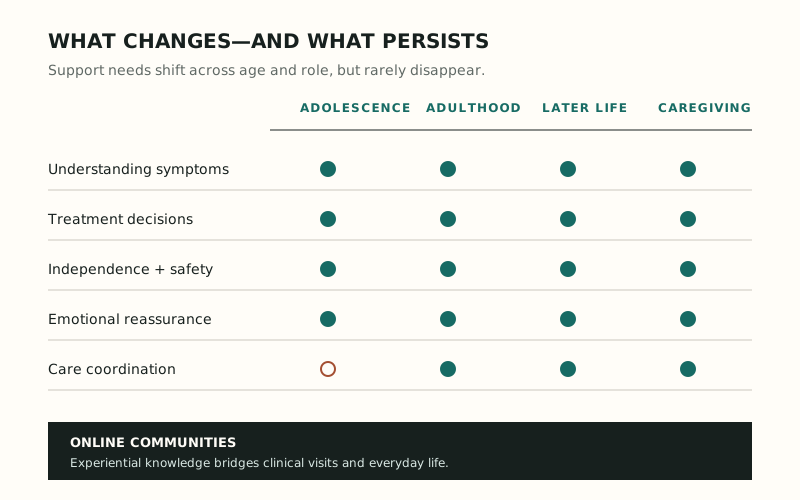
Online support across the life course

Understanding what people ask when clinical information is not enough

Using large-scale analysis and close qualitative reading of epilepsy communities, I examine how adolescents, adults, older adults, and caregivers share experiential knowledge, interpret seizures, and negotiate safety, autonomy, and support.

Topic modeling · Thematic analysis · Psycholinguistic analysis
Explore this research →
Layered diagram representing self-management, accessibility, and lived experience
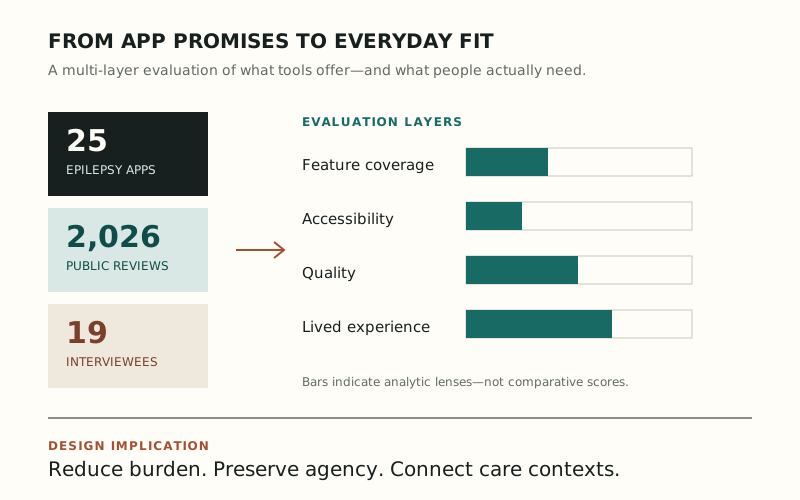
Accessible self-management

Evaluating whether epilepsy technologies work for the people they serve

I investigate epilepsy apps and self-tracking practices through accessibility audits, app quality assessment, user reviews, and interviews with people living with epilepsy and caregivers.

Accessibility evaluation · App review analysis · Interviews
Explore this research →
Intersecting trajectories representing people, platforms, and governance
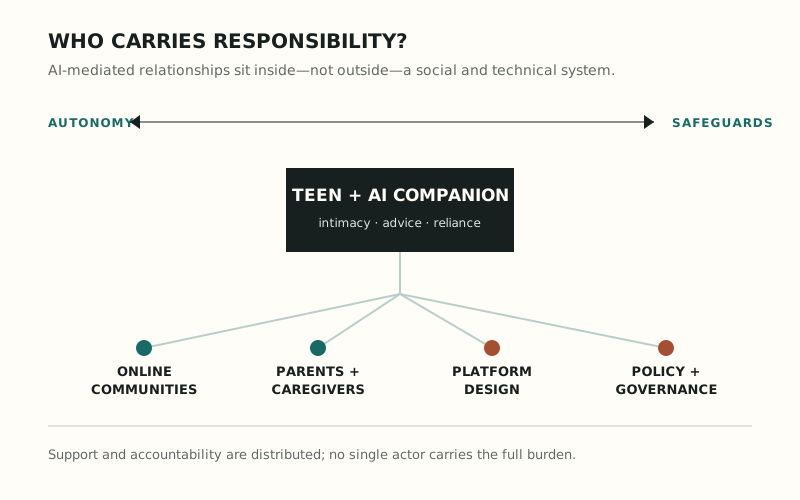
Responsible social technologies

Examining support, intimacy, and responsibility in AI-mediated spaces

A secondary strand of my work studies how young people and online communities make sense of overreliance on AI companions, and how platforms govern emotionally intimate interactions.

Qualitative content analysis · Platform policy analysis · Youth online safety
Explore this research →
Research at a glance

Working across scale and method.

These study details describe the research program; manuscript publication status is intentionally not implied.

23,945
Posts from the r/Epilepsy community

Analyzed to characterize symptoms, treatment experiences, daily life, seizure activity, and social-support needs.

25
Epilepsy self-management apps

Evaluated alongside 2,026 app-store reviews to examine self-management coverage, quality, accessibility, and user experience.

19
People with epilepsy and caregivers interviewed

Interviewed about self-tracking, social support, and hopes for flexible, trustworthy, privacy-conscious technologies.

Research perspective

Support is negotiated, not simply delivered.

Across my projects, people continually weigh the potential value of technology against practical effort, emotional safety, privacy, cost, accessibility, and the realities of care relationships. I use that tension as a design starting point rather than treating engagement as an individual failure.